











Omni Divers Underwater Services, L.L.C.
Emergency Response Diving International
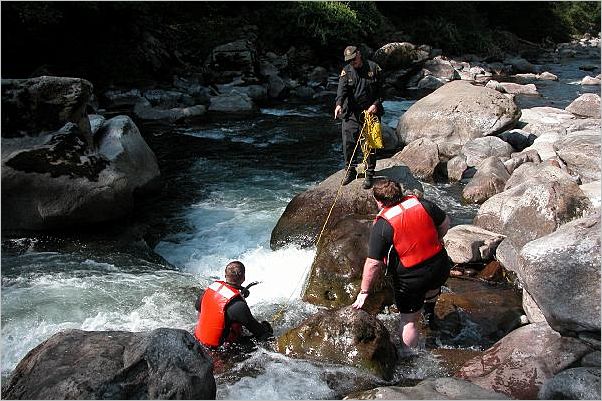
The efforts of these well intentioned but under trained divers resulted in a needless fatality and putting numerous other professionals at needless risk. The scene portrayed here is fiction, but, scenes like it happen every year. The reason is not really a lack of training, that is a symptom. The real reason is the failure of administrators to realize the need for specialized training and equipment in the field of Public Safety Diving.
Before starting a dive team,
- each department must weigh the cost of accomplishing the task properly versus the benefit for the community.
- What will your community gain?
- Are other resources available to accomplish the same goals?
- If you decide a dive team is necessary then please decide to adequately equip and train that team.
Diving is a specialized activity taking place in a hazardous environment. That is why even recreational divers require
certification to access equipment, air fills, and dive sites. That recreational certification (called open water)
qualifies divers to dive in reasonably calm, clear conditions at depths not to exceed 60 feet. In the recreational diving
industry that certification is frequently referred to as a permit to learn, just as a learner's permit is issued to a
person completing high school drivers education. We do not allow the learning permitee to drive without supervision, much
less operate an emergency vehicle in route to an accident or fire scene. Yet many departments feel that open water
training qualifies the diver to dive in the hazardous environments encountered by the Public Safety Dive Team.
Many teams have fallen victim to the Rescue Diver Certification farce. Recognizing the need for additional training the
administrator seeks out "professional assistance" from the local dive store. The dive store instructor provides all that
he is able to provide, a recreational certification as a Rescue Diver. Most recreational training agencies define their
Rescue Diver Course as a self and buddy rescue program. This is adequate for helping your buddy who gets in trouble at
45 feet on the coral reef in the Keys, but not much assistance in the Public Safety Environment.
The diving environment qualifies in every area as a HAZMAT site. Add fuels and oils from a submerged vehicle and we have
put multiple hazardous chemicals around the diver. Additionally, those chemicals will destroy the divers life support
system if they are inadequate for the job. Place the diver inside the vehicle to do a recovery and we have added confined
space rescue in a HAZMAT environment to the picture. How many department administrators would take a person off the
street with no formal training and place them in that situation above water? Applied to other areas, imagine taking a
person off the sidewalk handing them bunker gear and sending them into a burning building or sending a person to do
hostage negotiation with only the information found in over the counter magazines. Yet, almost daily departments do just
that with department dive team members or even bystanders that happen to dive. Is this an invitation to disaster? Should
you ask the members of your department to accept or even volunteer to be a part of this potential disaster?
From a liability perspective, this may place the department in an indefensible position if training is questioned. From a safety perspective we have created an accident waiting for a scene. These factors are addressed by hiring public safety diving instructional specialist with verifiable credentials and experience. The drawback is availability, since local resources frequently don't exist. That lack of availability will probably increase cost. The department must decide if the increased safety and reduced liability are worth a few extra dollars. That is part of the team's obligation.
- What technical, rescue or public safety diving certification courses can the instructor teach?
- Are those courses certified through a recreational training agency?
- If so, does the agency also endorse the training of professional public safety divers?
- Is the training NFPA and OSHA compliant (not compliant with some perceived provisional exemption!)?
- Does the agency endorse the training of professional or commercial divers for Public Safety Operations;
- Does the instructors insurance cover him for teaching these types of activities;
- If the agency finds that their training is questioned in court does the certifying agency have any training standard or provision which would indicate the Public Safety Diver was diving beyond the realm of his certification and training;
- You may also want to verify the certification level and reputation of the specific instructor with whom you are dealing.
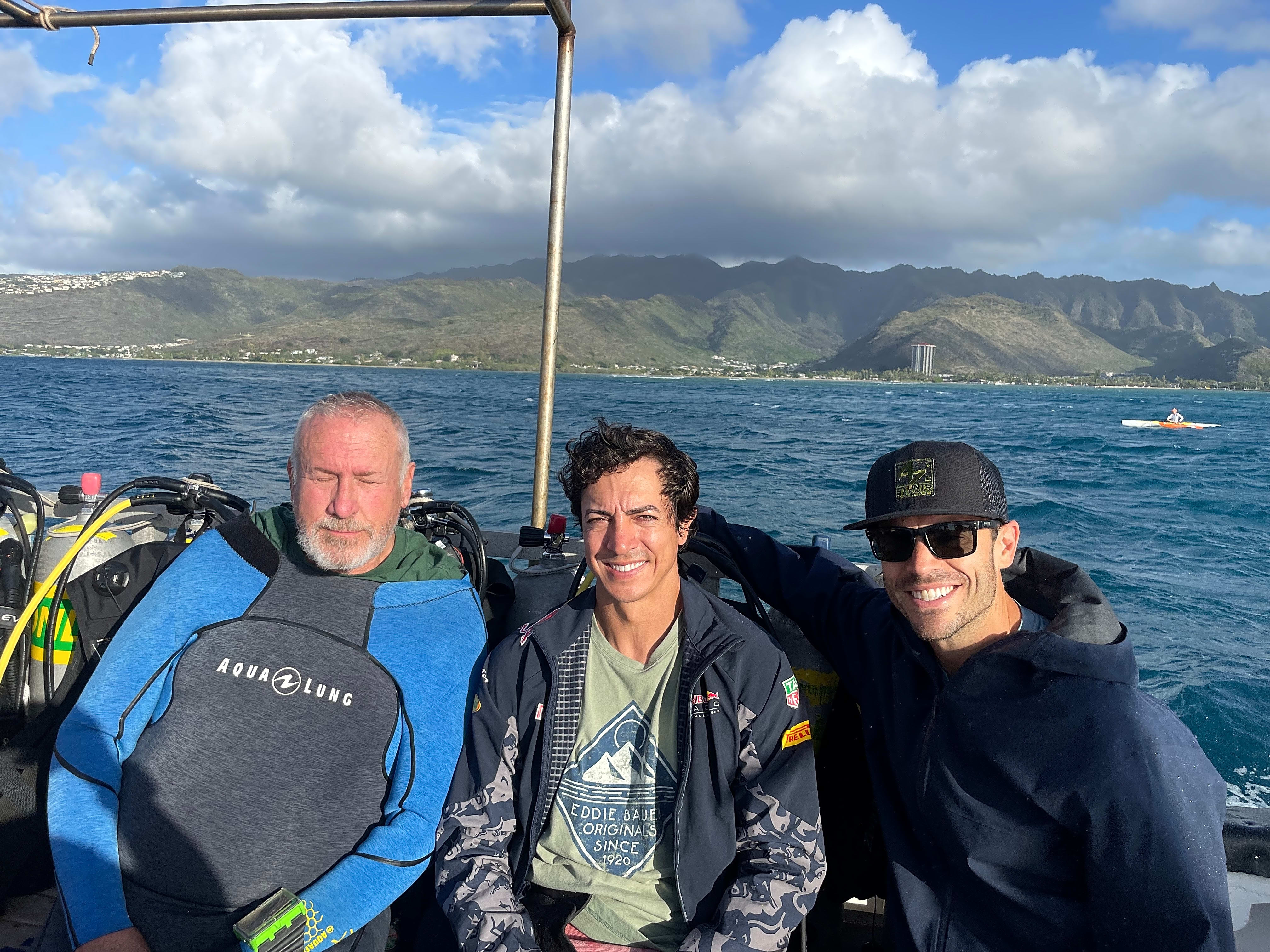

Oahu HI - Dive Training (Deep, Wreck, Nitrox & Drift) December 2022
South Carolina Law Enforcement Divers Association (SCLEDA) Heavy Lifting and Recovery- Lexington SO South Carolina October 2022

Mykonos Island, Greece & Italy - Dive Training - Photos June 2017


ERDI Inaugural Challenge Coin Recipient
SJCA & USI Underwater Inspection Teams Surface Supplied Diving Training - Indiana - Ohio - October 2021
Omni Divers Underwater Services, L.L.C. incorporated May 1984
We are in our 28th year on the internet.
The web site inception is, June 21, 1996 date.
5 Star TDI 5-Star Instructor Training Center
SDI and ERDI Instructor Training - Lake Chelan WA - April 2021
Worldwide Christian Scuba Divers Organization 2016 Cozumel Mission - Photos
Worldwide Christian Scuba Divers Organization 2015 Roatan Mission Photos
The National Association for Amateur Radio
Blue Ridge Amateur Radio Society
KI7NPS
ERDI - Clark County Dive Rescue Team Training - September 2018
TDI Surface Supplied Air Diving Training - Frederick MD 2017 - October 17, 2017
Omni Divers Photographs
Police & Fire Chaplain's Training Academy
Omni Divers Underwater Services, L.L.C. incorporated May 1984
We are in our 28th year on the internet.
This is web site inception, June 21, 1996 date.
Omni Divers Photographs

ERDI 5-Star Instructor Training Center

5-Star ERDI Instructor Training Center
5-Star SDI Instructor Training Center
5 Star TDI/SDI/ERDI 5-Star Instructor Training Center

.gif)
Health and Safety Institute (HSI) - American Safety and Health Institute (ASHI) - Medic First Aid International (MFA) Instruction
DAN Examiner Qualifications
DAN Examiner Courses
DAN Trip Insurance Incentive Program
DAN Courses
DAN Instructor Trainer
DAN Industry Partner
Professional Cylinder Inspection Instruction
Professional Cylinder Inspection Instruction
Premier Facility
SEI Diving Scuba Instructor Courses
Klamath County Sheriff Dive Rescue
EANx Technical Training Facility & Blending Station
Federation of Fire Chaplains
South Carolina Public Safety Chaplains Association
International Conference of Police Chaplains Northwest Region #2
International Critical Incident Stress Foundation
Cozumel Mission Trip 2016 with Worldwide Christian Scuba Divers Organization
Worldwide Christian Scuba Divers Organization
Billy Graham Rapid Response Team
North Central Washington Chaplain Foundation
Foursquare Disaster Relief Chaplains
Foursquare Disaster Relief Training
Police and Fire Chaplaincy Training
South Carolina Section, Amateur Radio Emergency Service (ARES)
October 18, 2017
October 19, 2017
October 20, 2017
October 13, 2017
October 14, 2017
Omni Divers Photos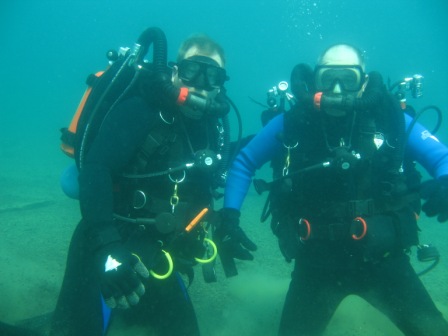
Underwater Technologies, L.L.C.
Omni Divers Photographs
Omni Divers Flickr Sets
Surface Supplied Diving
Drager Dolphin Diving
Advanced Nitrox Diving
Ice Diving 2007
Ice Diving 2006
Trips 2022 - 2023
Dive Hawaii 2018 - 2023 - Kona
Dive Hawaii 2017 - Kona
Dive Hawaii 2016 - Kona
Dive Hawaii 2015 - Kona
Dive Hawaii 2014 - Kona
Hawaii Diving Operations
Ice Diving Photos
Cayman Photos
Dominica Photos
Fiji Photos


Omni Divers Underwater Services, L.L.C. incorporated May 1984
We are in our 28th year on the internet.
Web site inception, June 21, 1996.
Omni Divers Underwater Services, L.L.C.,
e-mail us at omnidive@gmail.com
Current Locations: Gray Court SC, Klamath Falls OR, Boise ID (360) 991-2999
Omni Divers Underwater Services - - - - ODUS - Omni Divers - Omni Travel Adventures
This page was last updated on Tue Dec 20, 2022 12:22:22 PM
PRIVACY ISSUES: We take your privacy very seriously. See our Privacy Policy for details.
